Understand the past. Analyze the present. Shape the future.

At SEMO, experiential learning is about active participation. You'll apply what you're learning through research, internships, fieldwork, study abroad experiences, community engagement, simulations, and faculty-led projects that connect classroom concepts to real-world challenges. Whether you're investigating the past, studying cultures, analyzing public policy, or working alongside community partners, you'll gain hands-on experience that prepares you for what's next!

Need some proof? Some students even help solve decades-old mysteries. Working alongside faculty mentors, a team of SEMO students used forensic genealogy research to help identify human remains discovered in southeast Missouri in 1979, bringing answers to a case that had remained unsolved for decades.

I want to know more about solving cold cases!

Opportunities like these demonstrate how experiential learning can extend beyond the classroom and create a meaningful impact on individuals, families, and communities.

What Experiential Learning Means to Us

The best way to understand people, cultures, governments, and societies is to engage with them firsthand. Through experiential learning opportunities across anthropology, history, and political science, you'll strengthen your ability to think critically, conduct research, communicate effectively, and analyze complex issues from multiple perspectives. By applying classroom knowledge to real-world experiences, you'll graduate with practical skills, professional confidence, and the experience needed to make an impact in your career and community.

Field School
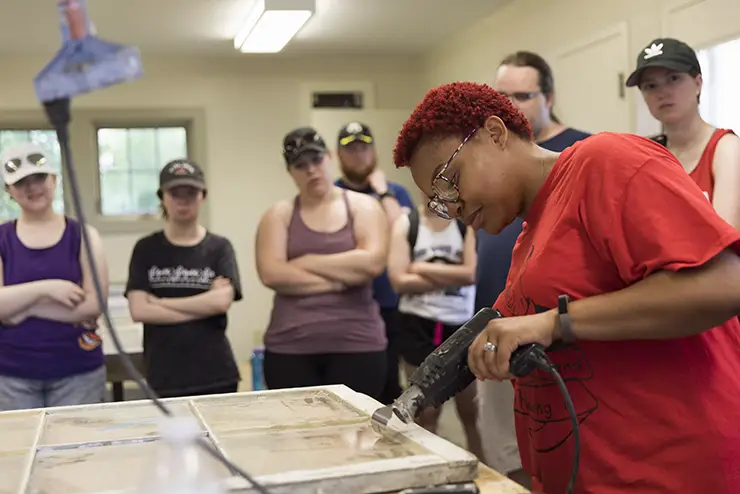
Each summer, historic preservation students at SEMO turn the past into a hands-on classroom in Ste. Genevieve, Missouri, the oldest town in the state. At the Summer Field School, you work on-site at the 18th- and 19th-century Felix Valle State Historic Site, learning how to document, interpret, and preserve historic buildings and cultural landscapes. It is an immersive experience that lets you practice real preservation work alongside professionals while deepening your understanding of how history lives in the places around us.
a history field school student works with equipment to restore an old window at semo a Missouri college known for job readiness

Internships

Internships and advanced projects in anthropology, history, and political science at SEMO give you the chance to test your skills in the real world, not just talk about them. Whether you are working in museums or archives, engaging in community-based research, or serving in government and nonprofit settings, you will apply what you learn in class to organizations that shape culture, policy, and everyday life. SEMO students are especially sought after for legislative internships in Missouri's Capitol, where they gain firsthand experience with lawmaking and public service. These opportunities often lead to careers in government, advocacy, political campaigns, and policy work after graduation.
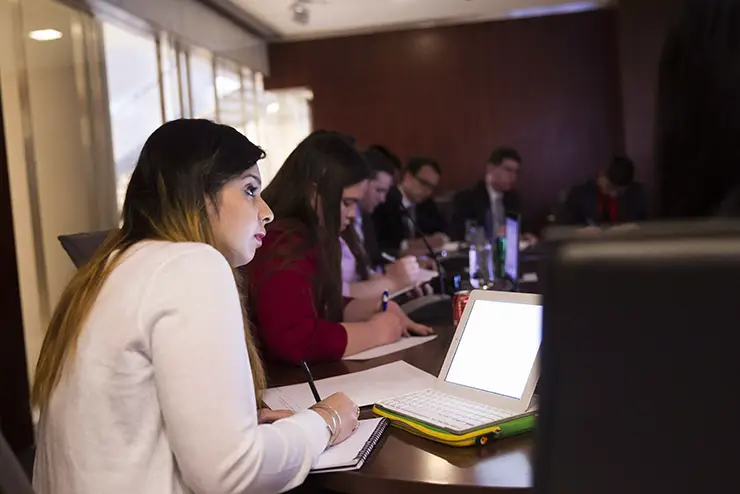
a student takes notes during a meeting at semo a Missouri college known for job readiness

Center for Regional History

The Bollinger Center for Regional History works to preserve, present, and promote the history of southeast Missouri while keeping local stories and documents alive for future generations. For students in anthropology, history, and political science, this space is a living classroom where you can work directly with primary sources, community projects, and regional collections. It is a place to build research skills, explore potential careers, and see how the work you do in class connects to real people and communities.
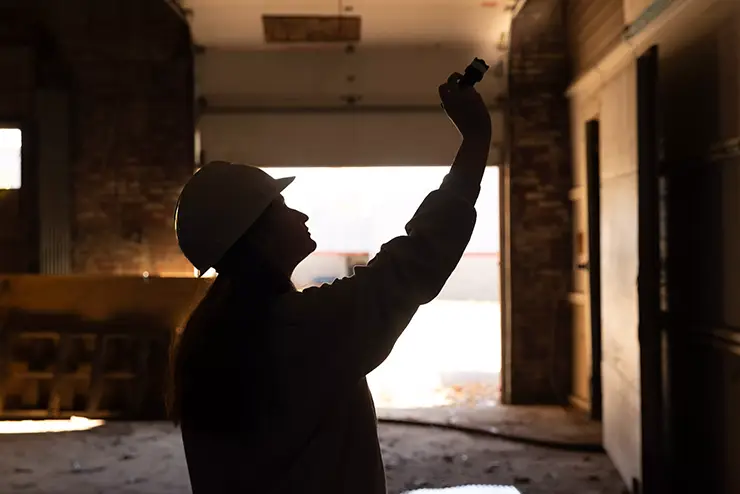
a silhouetted student in a hard hat uses a flashlight to examine a local historic building at semo a Missouri college known for job readiness

Study Abroad

Study abroad expands your perspective and brings your coursework to life in a global setting. With programs in more than 50 locations, you can choose a short-term experience, a semester, or a full year abroad while earning credits that keep you on track for graduation.
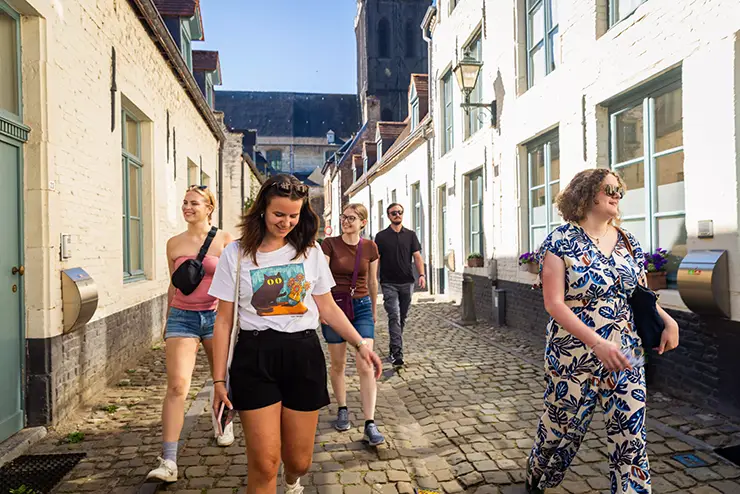
SEMO students walk in a group down a street in Belgium

Student Organizations

Student organizations in anthropology, history, and political science give you a built‑in community of people who care about the same questions you do. You can join clubs, forums, and outreach groups that host guest speakers, organize campus–community events, and create space for big conversations. Each organization is supported by SEMO faculty, so you gain not only friendships and leadership experience, but also direct access to mentors who can help you connect your interests to internships, research opportunities, and life after graduation.
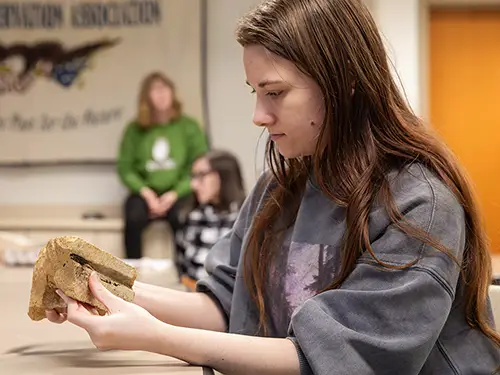
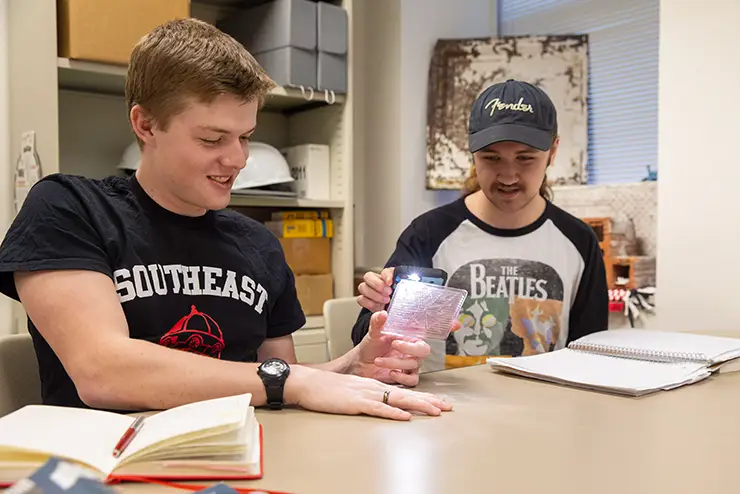
two students work together on a project - one holds up an item and the other shines his phone light on it at semo a Missouri college known for job readiness

Events that Bring Learning to Life

You can experience politics and ideas in real time through department events. From the annual Constitution Day celebration to forums on current political events, these gatherings create space to hear experts, ask hard questions, and see how classroom topics play out in the real world. They are also an easy way to meet classmates, connect with faculty, and start building the professional network that will support you long after graduation.
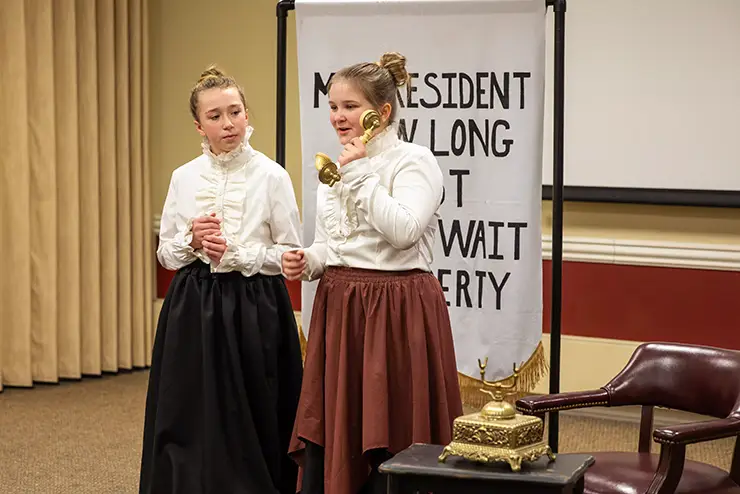
two local students participate in Regional History day by dressing in period clothing and putting on a history skit at semo a Missouri college known for job readiness

Location

Office

Carnahan Hall 311E

Mailing Address

One University Plaza, MS2960
Cape Girardeau, MO 63701