
Instructional Design

Explore this section

Students Should Struggle with Course Content, Not Course Structure.
Faculty balance several priorities--deciding what to teach, teaching it, and assessing if students adequately master that teaching. Combine those with student advising, administrative tasks, and research projects within their professional field, and suddenly they have little time to investigate new ways to teach.
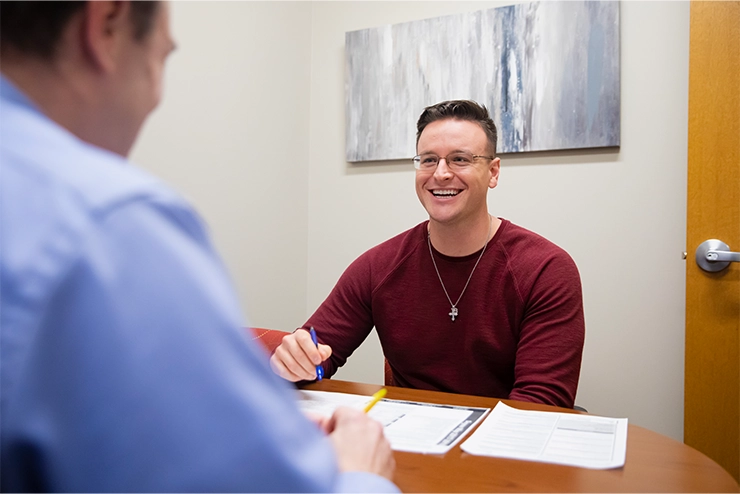
The Instructional Design Team at the Center for Teaching and Learning (CTL) collaborates with faculty to build engaging, easy to navigate, fully accessible courses. Course builds range from minor revisions (e.g. converting a 16-week course to an 8-week course) to moderate revisions (e.g. incorporating page templates, reorganizing course content within LMS modules) to major revisions and new preps (e.g. creating materials for courses that have never been built).
SEMO faculty that partner with our designers still own their course content and intellectual property. Faculty are the subject matter experts and our designers develop courses around what faculty teach and the way faculty prefer to teach it. Faculty are experts in their disciplines, and our designers are experts in teaching and learning. These partnerships lead to courses faculty feel confidence in and students find intuitive and immersive.
CTL instructional designers also work with service departments like Composition as well as First-Year Experience to develop course templates and universal course materials for all sections.
Any SEMO faculty that wish to collaborate with an instructional designer may make that request by emailing the Center for Teaching and Learning.
-
818
Consultations
The CTL has provided 818 faculty course design consultations.
-
20
Courses and Templates
The Instructional Design Team has designed or redesigned 20 courses and templates.
-
90%
Faculty Report
Increased student engagement by 90% after design consultation and implementation.
-
25
Reviews
25 fully online courses reviewed using an internally modified OSCQR rubric.
Additional Tools
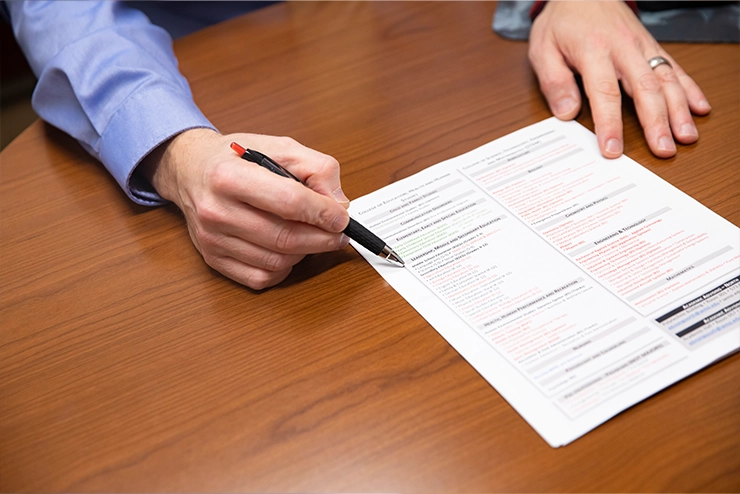
Course Review
Teaching Support
Contact Us
Phone
Location
Office
Mailing Address
Cape Girardeau, MO 63701